
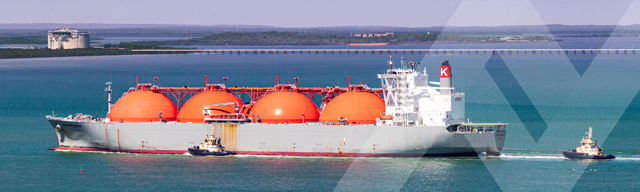
LNG & Natural Gas Analysis
Understand your gas quality – and what it means for your operation
When gas quality affects both safety and revenue
When you work with natural gas or LNG, small variations in gas quality can have significant consequences.
Your process depends on accurate knowledge of composition, energy content, and contaminants – whether you are handling gas in pipelines, processing plants, LNG terminals, or custody transfer points.
At the same time, you need to ensure compliance with specifications, protect your infrastructure, and maintain stable operations across changing conditions.
For natural gas and LNG applications these are some of the parametres we can help you measure, monitor and analyse:
- CH₄ (Methane)
- C₂–C₆ hydrocarbons
- CO₂ (Carbon dioxide)
- H₂S (Hydrogen sulfide)
- H₂O / Moisture
- Hydrocarbon dew point
- Oxygen (O₂)
- Nitrogen (N₂)
- Calorific value
- Wobbe index
Where measurement becomes critical in your process
Gas analysis is not just about knowing what is in the gas – it is about understanding how it affects your operation.
- Changes in gas composition influence calorific value and billing accuracy
- Moisture and hydrocarbon dew point determine whether condensation will occur
- Hydrogen sulfide (H₂S) and other impurities impact corrosion, safety, and compliance
- Unreliable measurements can lead to incorrect decisions and operational risk
- Harsh environments place high demands on both instruments and system design
In practice, this means that reliable, continuous measurement is essential – not only for control, but for confidence in your data.
How measurement technologies support stable gas operations
Different measurement principles are used depending on what you need to understand in your gas stream.
When you need insight into gas composition and energy content
Real-time composition analysis gives you continuous visibility of key components and derived parameters such as calorific value and Wobbe index.
This allows you to follow changes in gas quality and ensure accurate energy measurement – especially in custody transfer and fuel gas applications.
When condensation and moisture must be avoided
Monitoring hydrocarbon dew point and trace moisture helps you understand when condensation may occur.
In practice, this allows you to protect pipelines and equipment, while ensuring that gas remains within specification during transport and processing.
When trace components affect safety and compliance
Measurement of H₂S and other impurities is essential when even small concentrations can lead to corrosion, safety risks, or non-compliance.
Continuous monitoring gives you early indication of changes and supports safer operation.
When installation conditions are part of the challenge
Gas analysis systems are often installed in hazardous or demanding environments.
This requires solutions designed for stable operation in ATEX areas, offshore installations, and LNG facilities – where both safety and accessibility must be considered.
When reliable results depend on proper sampling
Accurate measurement is not only about the analyzer itself.
The way the gas sample is extracted, conditioned, and delivered has a direct impact on data quality. A well-designed sampling system ensures that your measurements are representative and stable over time.
What this means for your daily operation
When your gas measurements are reliable, you gain more than just data.
- You can verify gas quality with confidence before distribution or use
- You reduce the risk of condensation, corrosion, and equipment damage
- You improve accuracy in custody transfer and energy calculations
- You gain stable input for process control and optimisation
- You reduce unplanned downtime and maintenance needs
In practice, this gives you a more predictable operation and a stronger basis for decision-making.
A partner who understands both measurement and application
At Norsk Analyse, we work with gas analysis across the entire value chain – from processing to transmission and end use.
We combine different measurement technologies and system design approaches to match your specific process conditions. This includes everything from analyzer selection to sampling systems and installation in hazardous areas.
Our role is to help you choose the right measurement approach – and ensure that it works in practice.
Technologies and solutions used in LNG and natural gas applications
Depending on your requirements, solutions may include:
- Real-time gas composition analysis using tunable diode laser technology
- High-precision multi-gas measurement based on optical spectroscopy
- Gas chromatographs for detailed component analysis
- Moisture and dew-point transmitters for continuous monitoring
- Hydrocarbon dew-point analyzers for condensation control
- H₂S and sulfur analyzers for gas quality compliance
- Integrated gas sampling systems
- Pressurised enclosures for installation in hazardous areas
Want to know more about our solutions for Natural Gas and LNG?
Products relevant for Natural Gas and LNG
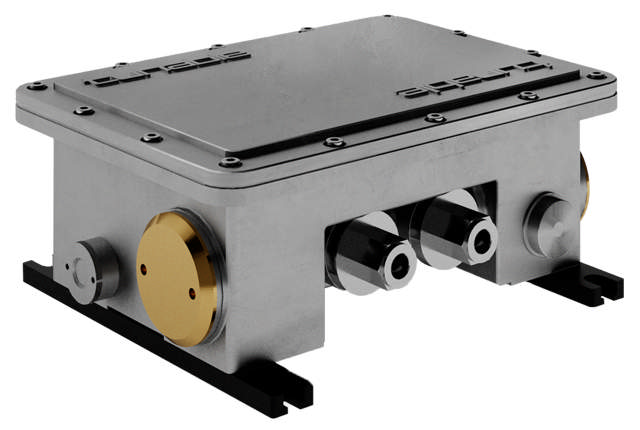
T1000
Real-time natural gas analysis with Tunable T1000. MEMS-based, maintenance-free analyzer for LNG, fuel gas and process applications.
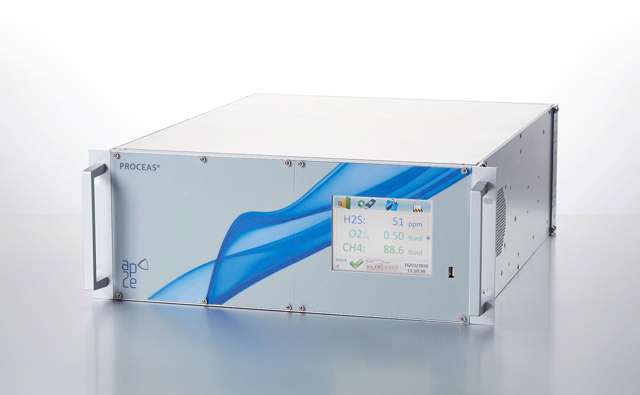
ProCeas
AP2E ProCeas® analyzers deliver advanced multi-gas measurement with patented OFCEAS® technology and low-pressure sampling for industrial and environmental applications.
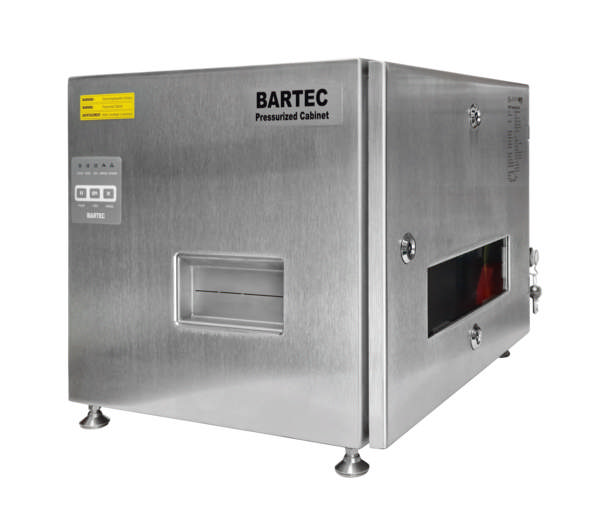
Bartec Pressurised Enclosures
Bartec pressurised enclosures enable safe use of standard equipment in hazardous areas. Norsk Analyse delivers integrated Ex p solutions for industry.
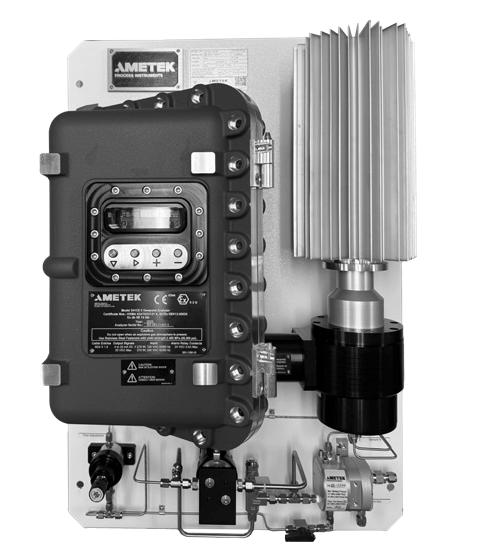
Natural Gas Quality Analyzers
AMETEK analyzers for natural gas quality measurement including hydrocarbon dew point and H₂S monitoring. Reliable solutions for pipelines, custody transfer, and gas processing.
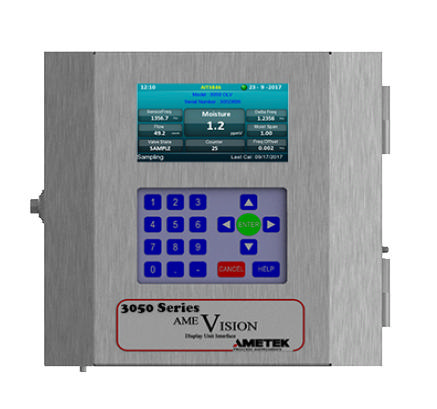
Moisture Analyzers
AMETEK moisture analyzers for trace water measurement in natural gas, refineries, and high-purity gases. Reliable ppm and ppb moisture monitoring solutions.
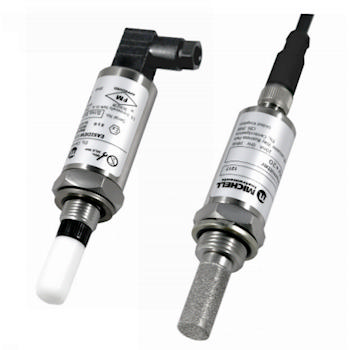
Dew-Point Transmitters
Michell dew-point transmitters provide reliable moisture measurement in industrial gases. Norsk Analyse delivers solutions for continuous dew-point monitoring in demanding processes.
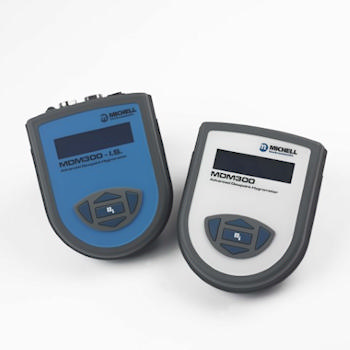
Gas Sampling Systems
Sampling systems from Michell ensure accurate dew-point measurement by stabilizing gas samples and protecting sensors. Norsk Analyse delivers reliable solutions for industrial gas monitoring.
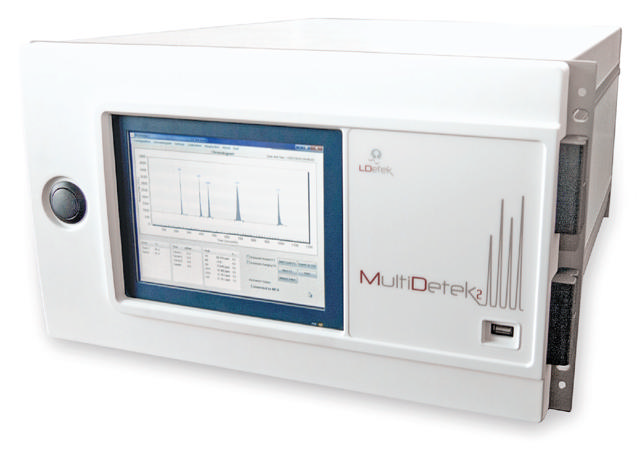
Gas Chromatographs
LDetek gas chromatographs provide reliable multi-component gas analysis from trace to percent levels. Improve process control with accurate and stable measurements.
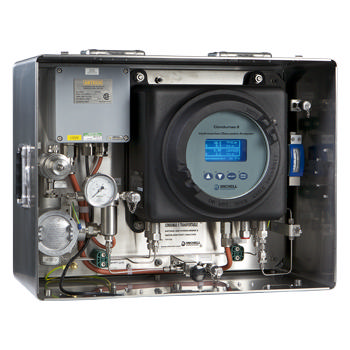
Condumax II
Condumax II from Michell provides direct hydrocarbon dew-point measurement in natural gas. ATEX-approved analyzer for reliable gas quality monitoring from Norsk Analyse.
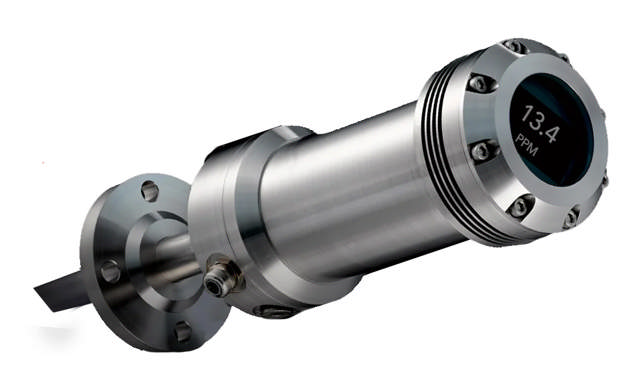
TDW-EX Controller
The TDW-EX Controller is a robust and reliable solution for controlling and monitoring hydrocarbon analysis in hazardous environments.
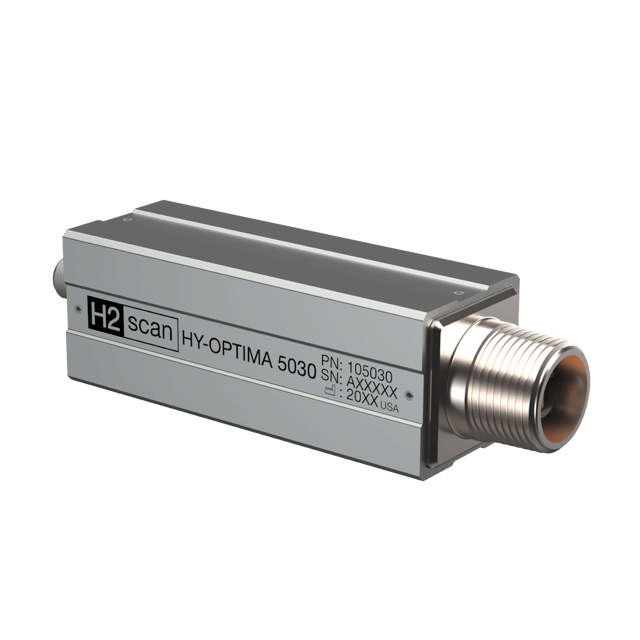
Hy-Optima
Real-time hydrogen analysis for process control. Accurate, low-maintenance measurement without cross-sensitivity using HY-OPTIMA from Norsk Analyse.