
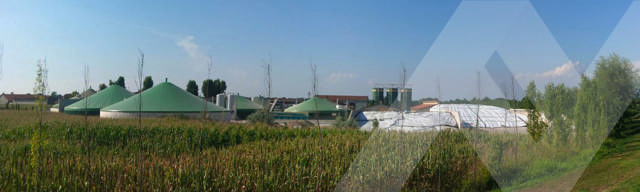
Biogas
Reliable Measurement for Renewable Energy Production
Optimize your process and ensure consistent biogas quality
Biogas plants turn organic waste into renewable energy — a process that depends on precision, stability, and control.
From feedstock digestion to gas upgrading, every step requires reliable measurement of gas composition, flow, and impurities.
With Norsk Analyse solutions, you gain the insight to operate efficiently, meet environmental standards, and maximize production uptime.
Understanding Biogas Applications
Biogas is a cornerstone of the global transition to sustainable energy.
Precise monitoring of methane (CH₄), carbon dioxide (CO₂), hydrogen sulfide (H₂S), and oxygen (O₂) ensures that energy yield and gas purity remain stable - while keeping systems safe and compliant with strict emission regulations.
Continuous and accurate analysis helps you:
- Control feedstock variations
- Optimize digester performance
- Prevent equipment corrosion
- Ensure compliance with environmental and safety standards
For Biogas these are some of the parametres we can help you measure, monitor and analyse:
- Methane (CH₄)
- Carbon Dioxide (CO₂)
- Oxygen (O₂)
- Hydrogen Sulfide (H₂S)
- Flow rate and additional parameters as required
Your Challenges
Operating a biogas plant involves complex interactions between biological, chemical, and mechanical processes.
Typical challenges include:
- Maintaining a stable methane concentration despite changing feedstocks
- Monitoring H₂S and siloxane levels to prevent corrosion and downtime
- Controlling moisture, temperature, and oxygen to improve combustion quality
- Meeting local and EU environmental reporting requirements
Our Solutions
Norsk Analyse delivers complete analyzer systems for biogas process control, upgrading, and emission monitoring.
We combine advanced technologies to provide continuous, accurate measurements in demanding environments.
We help you monitor and manage:
- Gas composition (CH₄, CO₂, H₂S, O₂, NH₃, H₂O)
- Calorific value and energy content
- Moisture and temperature in gas streams
- Siloxanes, sulfur, and VOCs in raw and upgraded gas
All systems are designed for robust field use, simple maintenance, and long-term reliability — from compact, local installations to fully automated containerized solutions.
Key Benefits
- Maximize methane yield and plant efficiency
- Reduce operational costs through preventive monitoring
- Protect compressors and upgrading units from corrosion and wear
- Ensure compliance with environmental and safety regulations
- Simplify data collection for certification and reporting
- Gain reliable 24/7 operation under harsh conditions
Why Choose Norsk Analyse
With deep experience in gas analysis and renewable energy systems, Norsk Analyse delivers solutions that combine precision, flexibility, and long-term support.
Our team helps you design and maintain analyzer systems that fit your specific process — ensuring stability, efficiency, and environmental responsibility at every stage of production.

Products relevant for Biogas
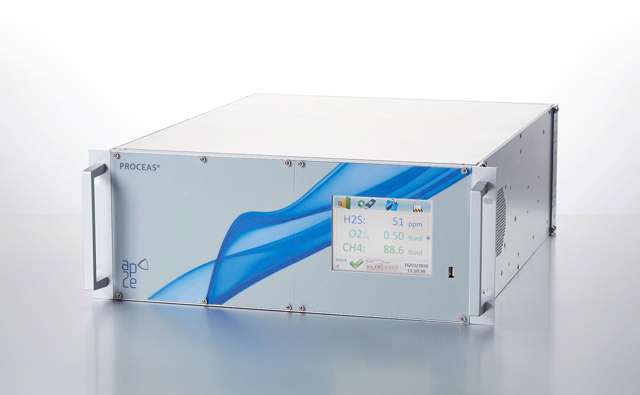
ProCeas
AP2E ProCeas® analyzers deliver advanced multi-gas measurement with patented OFCEAS® technology and low-pressure sampling for industrial and environmental applications.

MD Series Gas Dryers
Perma Pure MD Series Nafion™ gas dryers remove water vapor without affecting gas composition — ideal for CEMS, biogas, laboratory and medical applications.
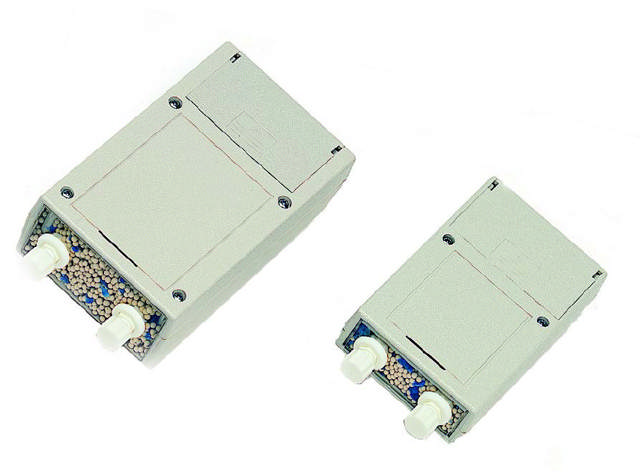
DM Series Gas Dryers
Compact gas dryers for portable applications. The Perma Pure DM Series removes only water vapor – no power or purge gas required.
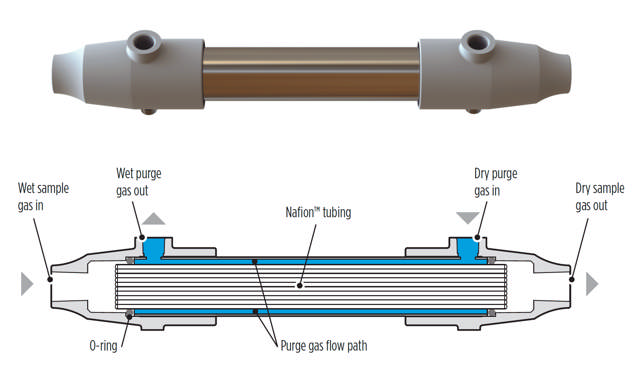
PD Series Gas Dryers
High-capacity gas dryers for continuous and high-flow applications. The Perma Pure PD Series removes water vapor while preserving gas composition.
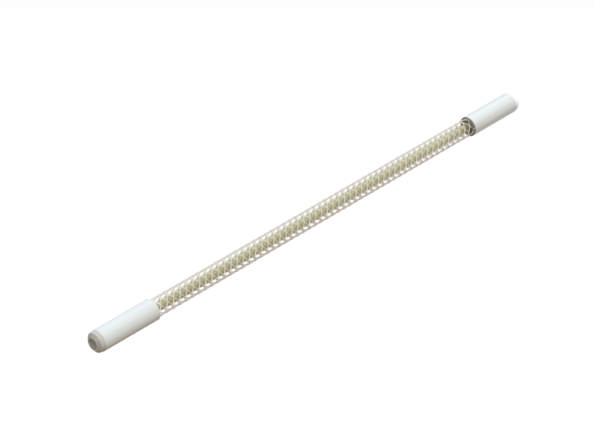
BE / BE-HP Series
Passive moisture exchangers for gas drying or humidification. The Perma Pure BE and BE-HP Series operate without purge gas or power.
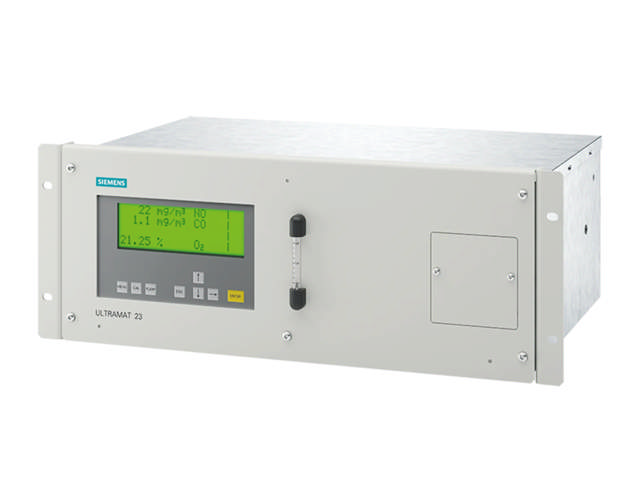
ULTRAMAT 23
ULTRAMAT 23 is a continuous NDIR gas analyser for process and emissions monitoring. Reliable extractive gas analysis for industrial applications.
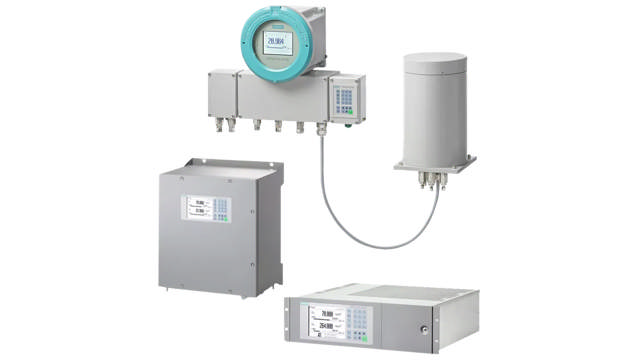
SIPROCESS GA700
SIPROCESS GA700 is a modular multicomponent gas analysis system for continuous extractive measurement in demanding industrial processes.
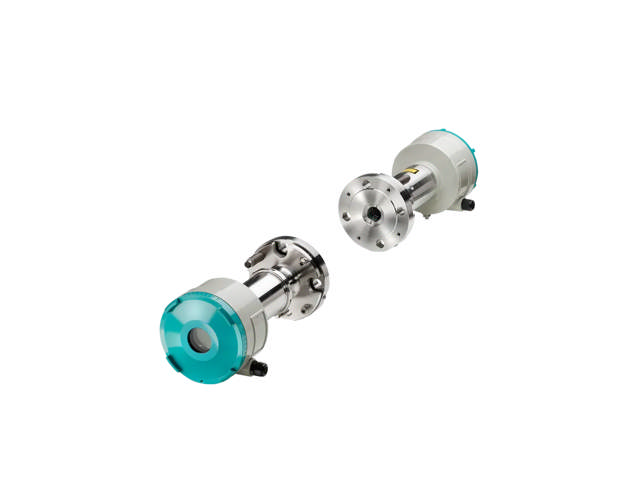
SITRANS TDL / SITRANS SL
SITRANS TDL and SITRANS SL provide in-situ laser gas analysis with fast response and low maintenance for demanding industrial processes.
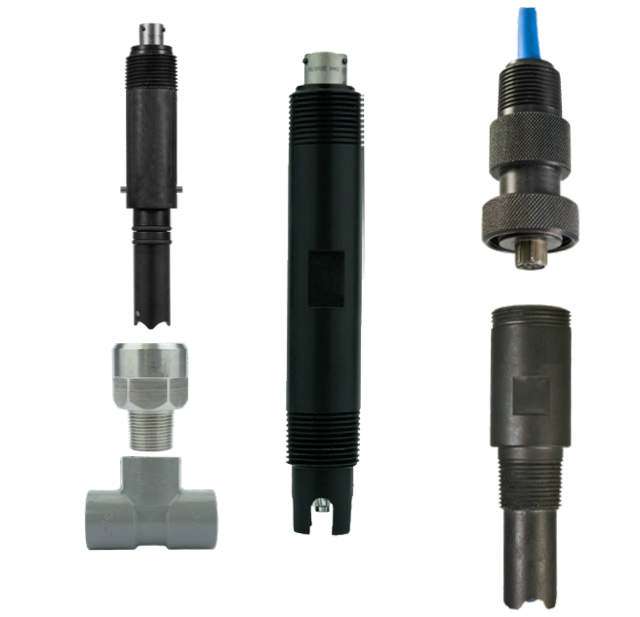
pH and ORP Electrodes
Van London pH and ORP electrodes provide accurate, stable measurements for industrial, environmental, and water treatment applications.
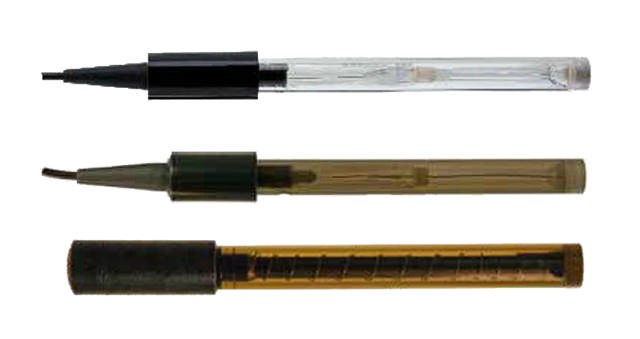
ISE Sensors
Van London ISE sensors deliver accurate, real-time ion measurement for chemical, water, and environmental applications.